
Hessdalen: How a Remote Norwegian Valley Became a Living Laboratory for the Unknown
Written by UAP Files - Jimmy

For decades, the skies above a remote Norwegian valley have been quietly defying easy explanation, illuminating our understanding of what it means to investigate the unexplained. When I sat down with Fred on the UAP Files Podcast, it became clear that what’s unfolding in Project Hessdalen isn’t just another fringe story about strange lights—it’s a long-term scientific endeavour driven by curiosity, rigorous data collection, and a desire to make this phenomenon open to scrutiny, analysis, and eventually understanding.
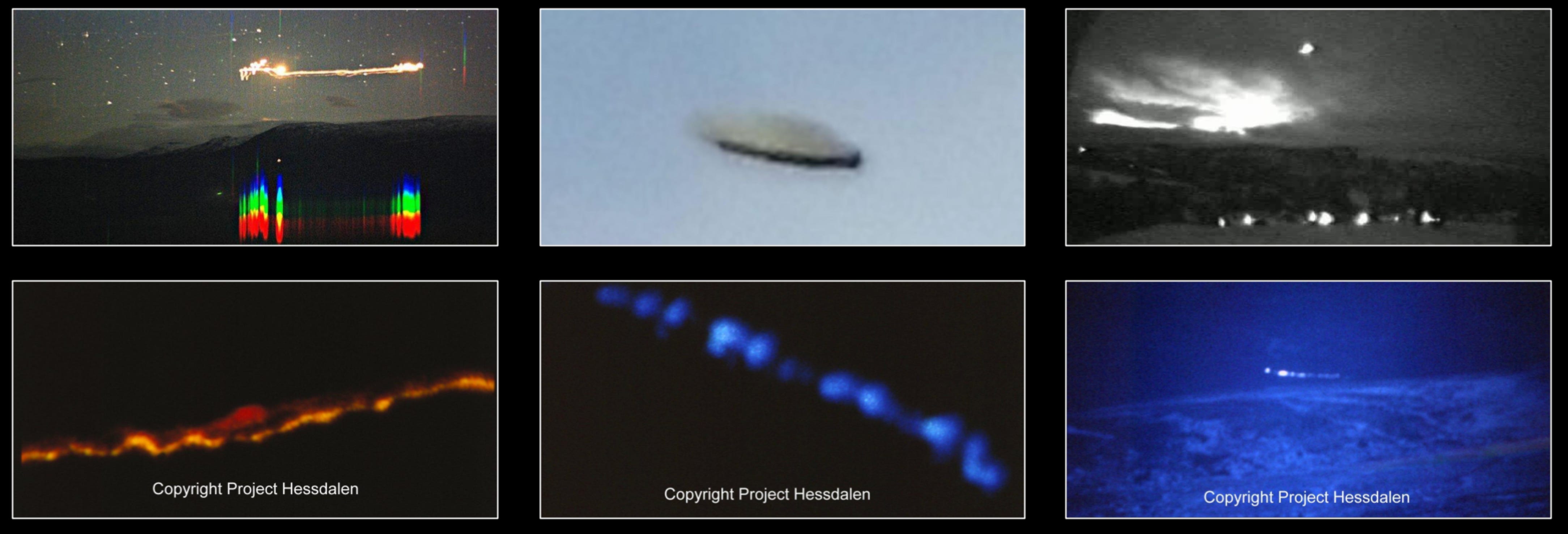
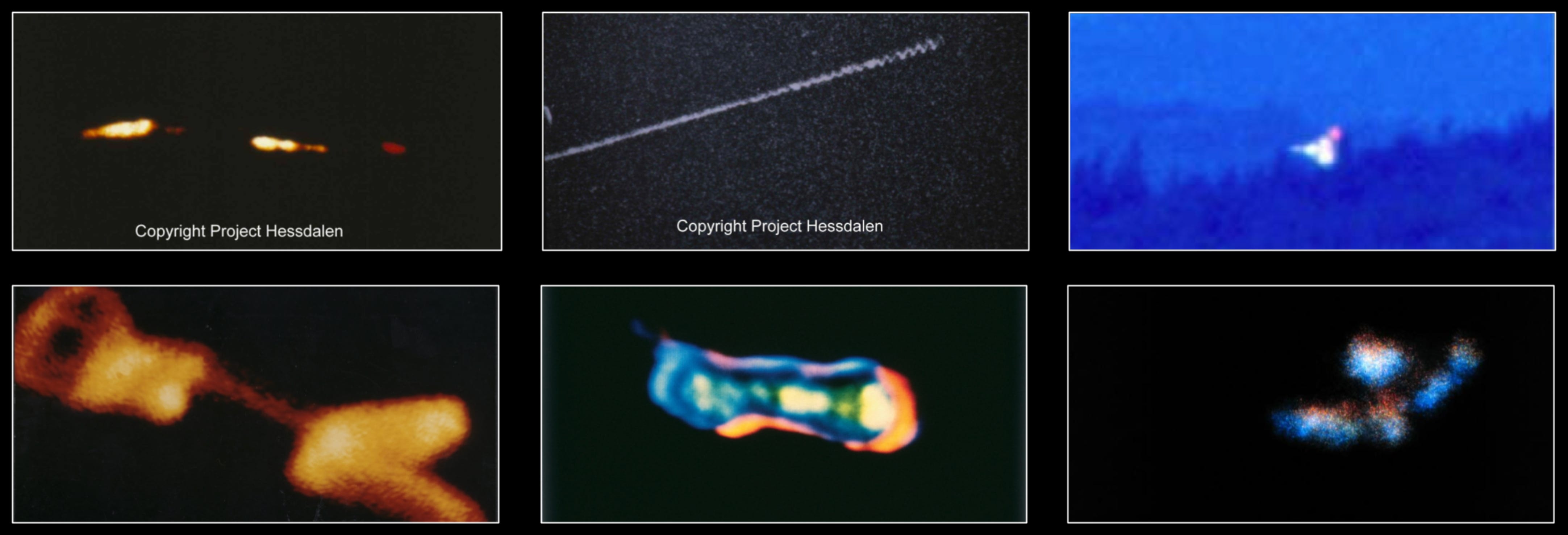
The story begins with a place called Hessdalen, a narrow valley in central Norway where mysterious lights have been reported since at least the early 1930s, long before the modern UAP conversation entered mainstream consciousness. These lights—floating orbs that can hover for minutes, dart across the sky at high speed, change colour, or simply illuminate the night—grabbed public attention in the early 1980s when sightings ramped up dramatically, sometimes up to 15–20 times a week. News crews, curious locals, and international observers flocked to this quiet corner of the world, drawn by a mystery that seemed visceral and undeniable.

Out of this surge of reported phenomena, Project Hessdalen was founded in 1983, spearheaded by researchers including Erling P. Strand and supported in its early phase by the Norwegian military. What set Project Hessdalen apart was not a commitment to sensationalism, but to measurement, documentation, and open investigation. Early field studies deployed an arsenal of instruments—cameras, radar, magnetometers, lasers, spectrometers, and infrared viewers—capturing 53 documented events in an 18-day observation window. These studies sparked global academic interest, yet equally highlighted how much remained unknown.
In 1998 the project took another leap forward with the installation of the Hessdalen Automatic Measurement Station, nicknamed the Blue Box. This fully automated observation station, equipped with multiple cameras and sensors, has been continuously monitoring the valley’s skies ever since. Today, high-resolution cameras stream live footage to YouTube, and all captured data is shared publicly for anyone—from scientists to hobbyists—to access.
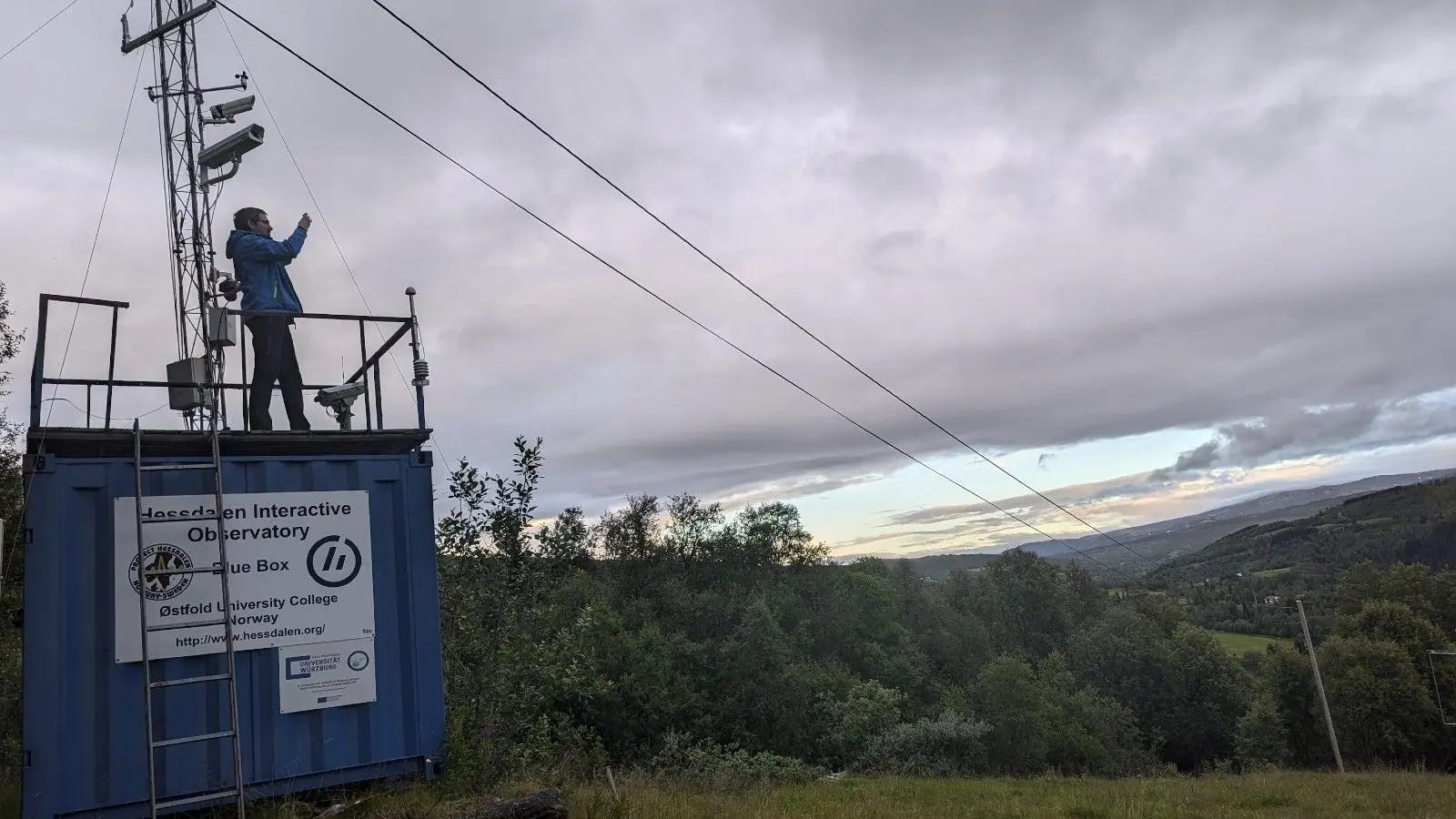
This isn’t happenstance. From the beginning, the mission of Project Hessdalen has been transparent: collect high-quality, verifiable data and make it available to the world. By doing so, the project sidesteps the sensational press narratives that often warp the public’s perception of unexplained aerial or luminous phenomena - UFOs and UAPs to you and I. Rather than insist on extraterrestrial interpretations, the researchers focus on measurable phenomena and on what can be tested, triangulated and analysed scientifically. Spoiler alert, some seem to be leaning towards a strange plasma. Possibly intelligent.
Over the years, scientists from several countries have joined the effort, bringing in expertise from radio astronomy, plasma physics, atmospheric science, and more. Collaborations like the EMBLA project in the early 2000s aimed to characterise the electromagnetic properties of the phenomenon and explore hypotheses ranging from ionised atmospheric plasma to interactions with geological structures. Regardless of interpretation, the data collected provided detailed insights into the behaviour of the lights—movement patterns, correlations with radar returns, and electromagnetic signatures—that continue to defy simple categorisation.

Unlike many UAP discussions that revolve around single sightings or bursts of press coverage, Project Hessdalen represents longitudinal science: tracking the same phenomenon over decades using evolving tools, from analogue cameras to modern digital sensors and automated detection systems. That continuity is key—it allows researchers to refine techniques, eliminate false positives, and build ever-richer datasets that can feed advanced analysis, including machine learning algorithms capable of recognising patterns no human eye could spot.
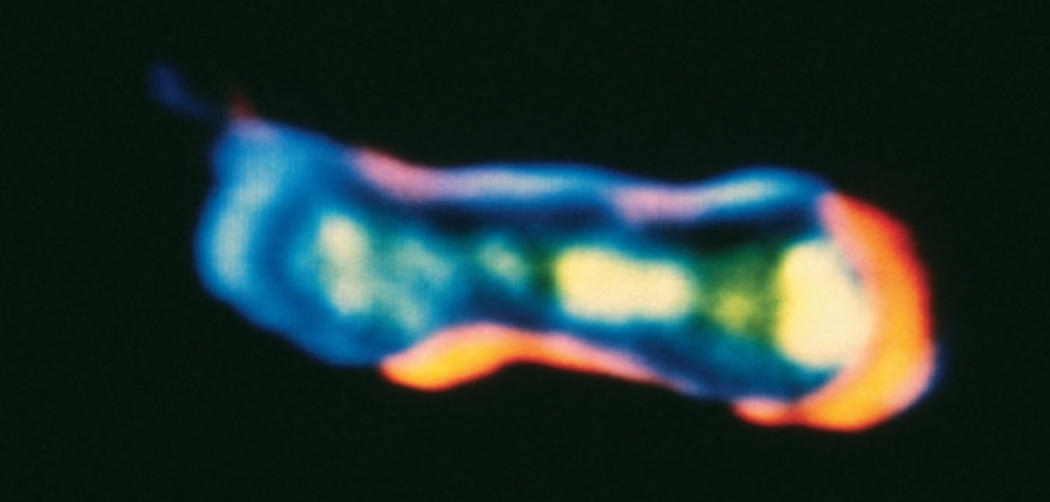
As Fred explained on the podcast, the ultimate goal is to transform these sightings from anecdote to data—to capture events consistently from multiple sensors, to triangulate their position, velocity, duration, and spectral characteristics, and to open that stream of information up to the entire research community. In doing so, Project Hessdalen is demonstrating what serious, open scientific inquiry into UAP-like phenomena can look like: collaborative, incremental, and grounded in measurable evidence rather than speculation.
Press coverage has waxed and waned over the years, but the lights themselves haven’t disappeared. They’ve simply become part of a living laboratory, one where clarity is pursued with patience, precision, and public participation. The phenomenon of the Hessdalen lights may still be unexplained, but the framework built around them is a model for how humanity can approach the unknown: with curiosity, not fear; with data, not dogma.
If you want to dive deeper into this remarkable story—the technical details, the personal experiences, and the vision behind Project Hessdalen—I encourage you to watch the full interview with Fred below.
I wonder what hypothetical or theoretical ideas have had the most data support to date. If such information exists it should be published as it would encourage more scientists to get engaged in the research.
Good work xD, Is it possible for you to post higher quality images?