
How Affordable Smart Tech is Leveling the Playing Field in UFO Tracking
Written by UAP Files - Jimmy

For years, the tools and technology required to capture credible UFO footage have been locked behind the gates of military, scientific institutions, and the very wealthy. Anyone with a passion for sky-watching or UFO/UAP tracking has had to rely on shaky phone videos or outdated, low-resolution cameras that hardly do justice to the phenomena we're trying to understand. Often turning profound experiences, in to dots in the sky easily cast aside as misidentified stars or satellites.
But all of that is changing.
We’re witnessing a pivotal moment in history where advanced, high-tech sensors and devices are not only becoming affordable but also increasingly available to the general public. This isn't just about better gadgets for hobbyists—it's a significant leap in how we observe, document, and ultimately understand what's happening in our skies. The transition from high-cost, inaccessible tech to affordable, smart solutions marks a significant step forward, not just for UFO enthusiasts but for human curiosity itself.
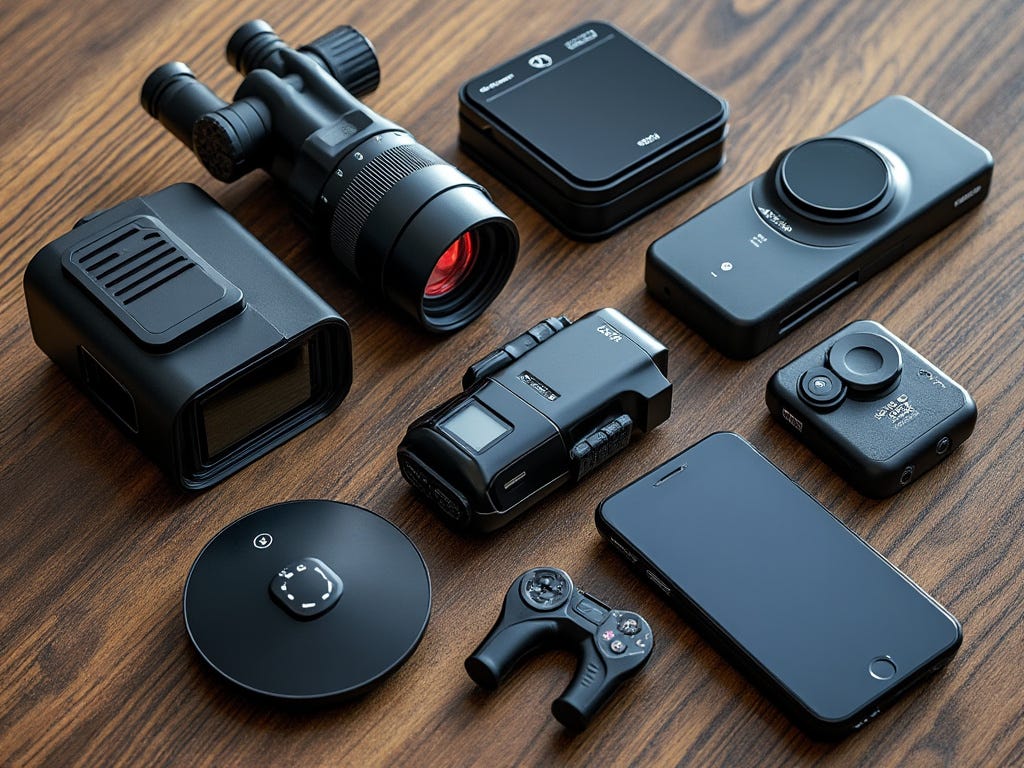
Until recently, capturing anything with even basic accuracy required expensive equipment or specialised knowledge. Projects like Harvard's Galileo Project—dedicated to the scientific search for extraterrestrial intelligence—rely on high-end sensors, telescopes, and data-analysis tools that are financially out of reach for most people (and significant funding to maintain). This created a frustrating gap between the public’s desire to contribute to UFO research and the tools available to them.
But the landscape is evolving rapidly. Smart technology, including compact, user-friendly telescopes and devices, is emerging at prices within reach of a broader market. For the first time, enthusiasts can meaningfully participate in tracking UAPs, capturing high-resolution imagery, and analysing footage—all without needing a military budget or NASA-level expertise.
A Shift in the Market
What’s driving this change? Consumer demand. As more people become interested in UFO phenomena and aerial observation, companies are responding with products designed specifically for this growing market. It’s no longer enough for a telescope to be good for stargazing; it needs to offer functionality that captures the unpredictable and unexplained. And that’s precisely what some manufacturers are delivering, they see a market and they’re going for it.
Take, for example, the DWARF 3 Smart Telescope that I recently tested. While I did review this device in depth, the real story isn’t about the product itself—it's about what it represents. At around £477 (including VAT in the UK), this smart telescope offers automated tracking, astrophotography, and even a dedicated UFO Mode that can follow unidentified lights in the sky. Five years ago, this kind of tech would have been prohibitively expensive for most people. Now, it's within reach, allowing anyone to contribute to the study of aerial phenomena. This isn’t a sales pitch. There are other Smart telescopes out there incorporating this functionality in to their products, but its a sign, a signal, an indication if you will, that more people people are driving the market, more people are interested and more people want to spend their money exploring this subject. And that’s good for UFOlogy.
This is a symbol of how far we’ve come. The capabilities that once sat exclusively in the hands of government agencies or the ultra-wealthy are now becoming part of everyday technology. We’re no longer forced to rely on blurry, shaky footage that can’t be verified. We're gaining tools that allow us to properly document, analyse, and discuss UFO sightings with credible data. And maybe this is why we’re seeing talk of ‘disclosure’ from official sources? Because they realise that we may not need them to make these discoveries if citizen journalists, citizen scientists and researchers do it on our own.
The Importance of Pushing for Transparency
The democratisation of technology is crucial in another way: it empowers the public to push for more transparency. For years, UFO research was seen as fringe, left to a few dedicated individuals or classified government operations. But with better tools and the growing public interest in the subject, there’s increasing pressure for openness from institutions that have historically withheld information.
As this tech becomes mainstream, the market will continue to dictate the products that emerge. Companies are starting to see that there is a real demand for affordable, high-quality devices tailored to UFO tracking and documentation. The more we engage, the more the market will shift, encouraging manufacturers to innovate and improve. This is why it's so important to keep advocating for transparency and accessibility in the field of UFO research.
If you’re interested in diving deeper, check out my recent video review of the DWARF 3 Smart Telescope, where I also interview the manufacturers about their vision for the UFO community. As always, stay curious and keep pushing for that next breakthrough.